Throughout the Caribbean and the Americas, Maroon Societies are communities of Black people, the descendants of enslaved Africans, that developed in isolation — an experience that allowed for their African customs and even language to be preserved.
In the United States, this community is known as the Gullah people, or Geechee, and is comprised of those who prospered in the low-country area of South Carolina and Georgia. African Americans in these areas are descendants of enslaved Black people who often worked in isolation from white people on large plantations. This separation allowed for a preservation of West African culture. For example, the Gullah language includes more than 4,000 words and personal names of African origin, and the Gullah diet is very similar to the West African cuisines, heavy on rice, okra and fish.
Charleston’s strong connections to African culture shouldn’t be a surprise. The city’s port received more enslaved Africans than any other port in the United States.
Until 30 years ago, the word “Gullah” had a negative connotation, synonymous with “backward.” The late Dr. Ade Ofunniyin, founder and director of the Gullah Society, grew up in Charleston and New York City at a time when Gullah people tried to minimize their “Africanness.” He remembered moving to New York City at the age of seven and trying his hardest to get rid of his Gullah accent.
“Black folk had no sense of themselves and despised being associated with Gullah and Geechee,” Ofunniyin said.
Now locals are proud of their ancestry, and there has been a significant effort to preserve and promote Gullah culture in Charleston, including the addition of the International African American Museum, which opened in 2023. But time is running out to experience living Gullah culture. As Ofunniyin explained, the Black population has been hit the hardest by gentrification overtaking Charleston.
Ofunniyin suggested venturing out into the neighborhoods where Gullah people, African Americans, live: the East Side in Charleston.
“Talk to people,” Ofunniyin said. “Don’t be afraid to venture into the communities where Black people live.”
Now is the time to take in the history of the Gullah people in Charleston and experience the culture. In addition to the East Side, you’ll have the chance to learn more about the culture at the following spots.
As always, check for travel guidelines and closures before planning your trip.
Charleston City Market
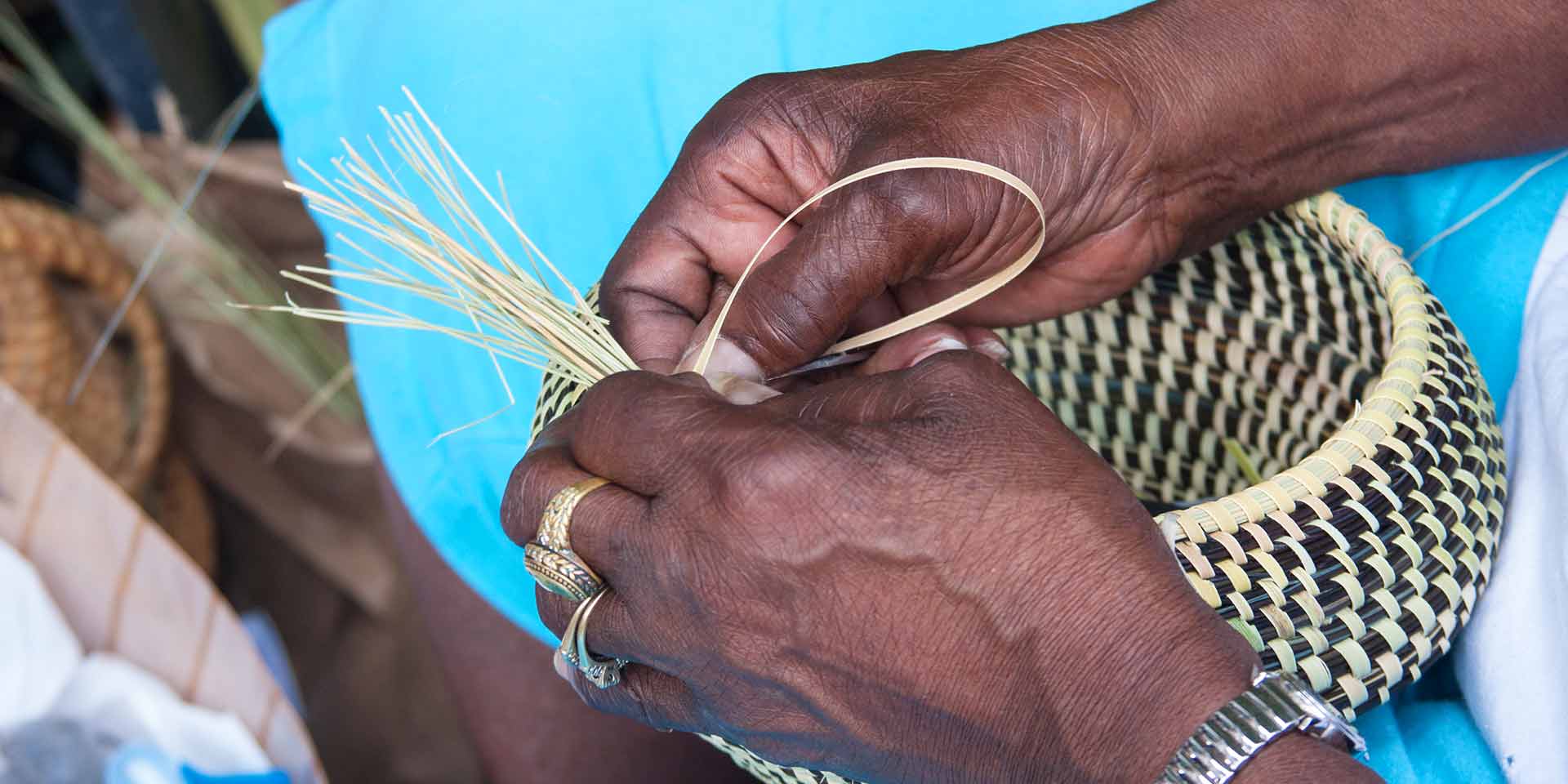
Sweetgrass basket weaving is the most visible living remnant of Gullah culture in Charleston. The Charleston City Market is the best place to buy this treasured craft in South Carolina.
The basket-making technique was born in Sierra Leone, where many enslaved Africans were taken from before arriving in the Americas. Sweetgrass is a fine-bladed, sweet-smelling perennial that grows in the moist, sandy soils near oceans and marshes. The weaving doesn’t involve popular techniques like plaiting or twisting; instead, it uses a coiling technique.
Old Slave Mart Museum
The Old Slave Mart Museum once housed an antebellum slave auction gallery from 1859 until 1863. It is believed to be the last existing slave auction facility in South Carolina.
Charleston and the low-country area of South Carolina played an integral role in the Atlantic slave trade. Between 40% and 60% of all Africans who arrived in America came through ports in the low country of South Carolina, with Charleston receiving the most enslaved people.
Avery Research Center for African American History and Culture
The Avery Research Center got its start as a hub for Charleston’s African Americans and trained students for professional careers and leadership roles. In 1985 the Avery joined the College of Charleston and became a research center dedicated to preserving the history and culture of African Americans in the low country of South Carolina.
The center provides tours, hosts workshops, presents lectures, and spotlights local and national talents in various forms of creative expression.
Hannibal’s Kitchen
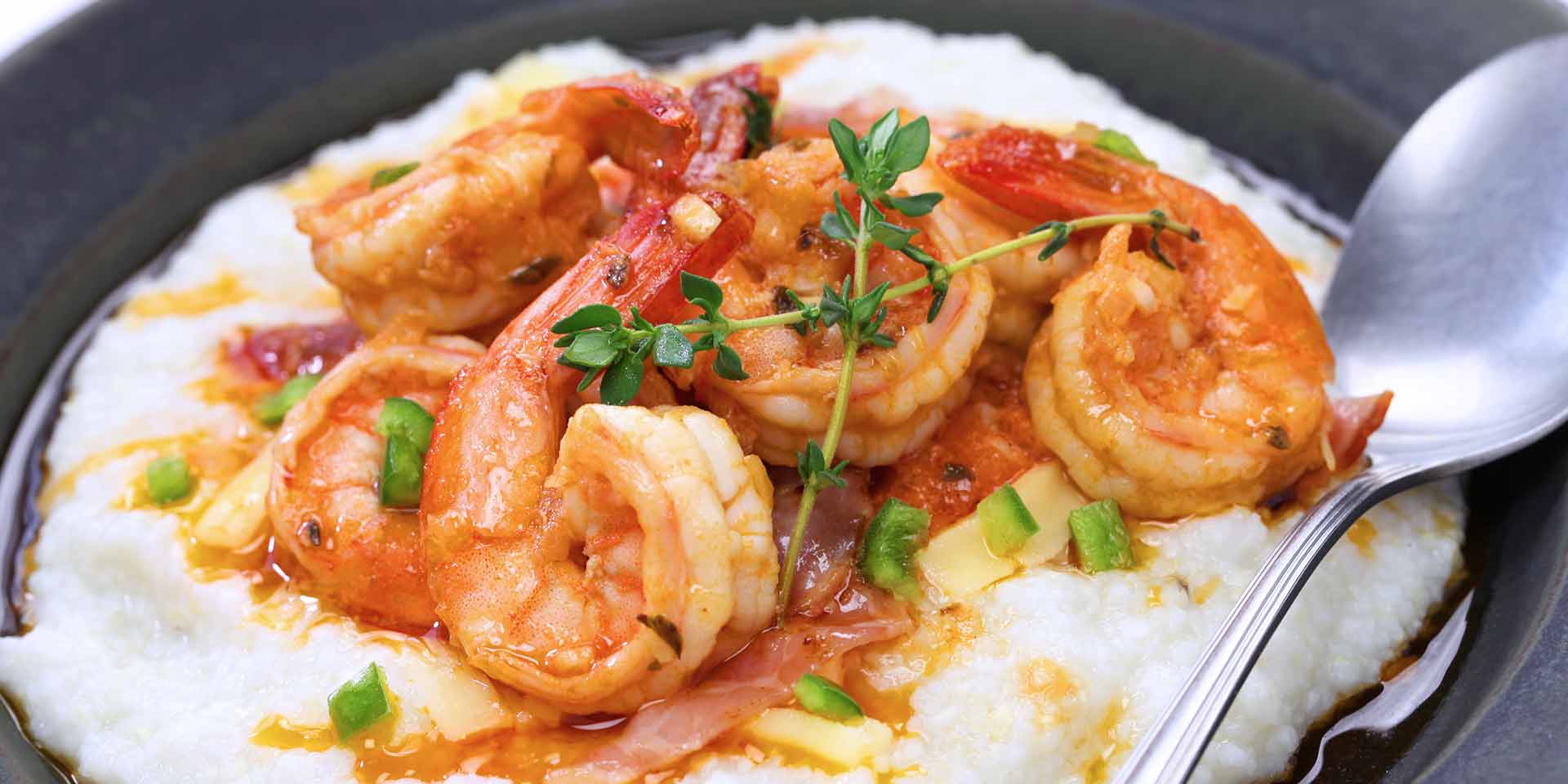
Hannibal’s Kitchen is Gullah owned and operated. This is next-level soul food that’s been influenced by people who have a strong connection to their African heritage. The menu features dishes like sandwiches, chicken wings, Hoppin’ John (often called Carolina peas and rice), stewed okra, and sweet potato pie. They also serve up a shrimp and crab rice that has become a local favorite.
Related Articles