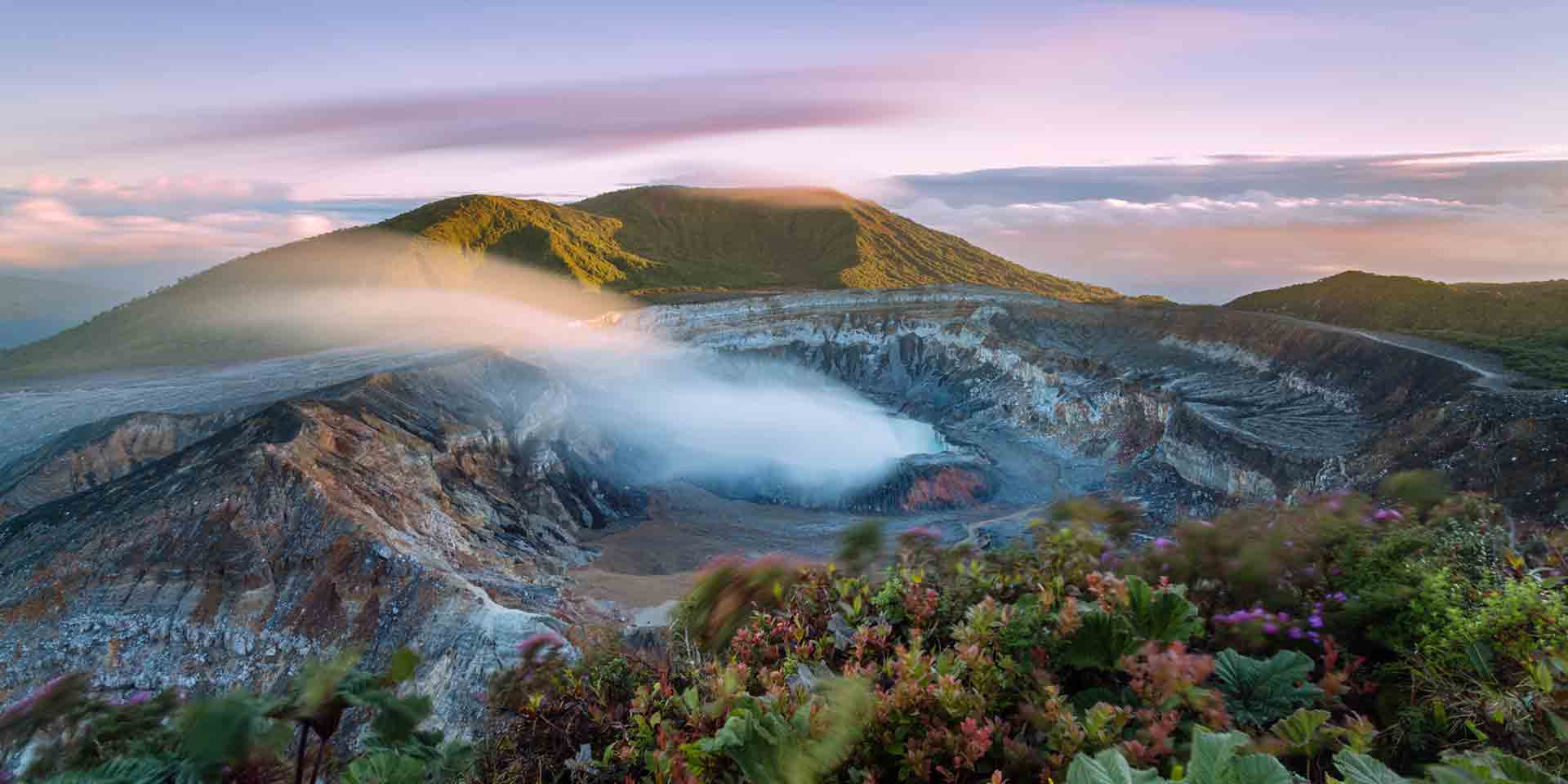
What is it about volcanoes that fascinates us? It could be the impressive landscape, the potential for destruction or the fact that when they erupt, volcanoes spew molten rock. A trip to Costa Rica’s Ring of Fire will transform anyone’s dormant interest in volcanology into full-fledged volcano enthusiasm.
The Pacific Ring of Fire is a horseshoe-shaped series of plates, trenches, and rises that create 75% of the world’s active volcanoes. Costa Rica sits where the Cocos and Caribbean tectonic plates meet, creating an active volcanic region. Scientists have identified 200+ volcanic formations in Costa Rica, dating to 65 million years ago.
Volcanoes truly are a sight to behold, and below we’ve highlighted six of Costa Rica’s most scenic volcanoes. As always, check for travel guidelines and closures before planning your trip.
Arenal
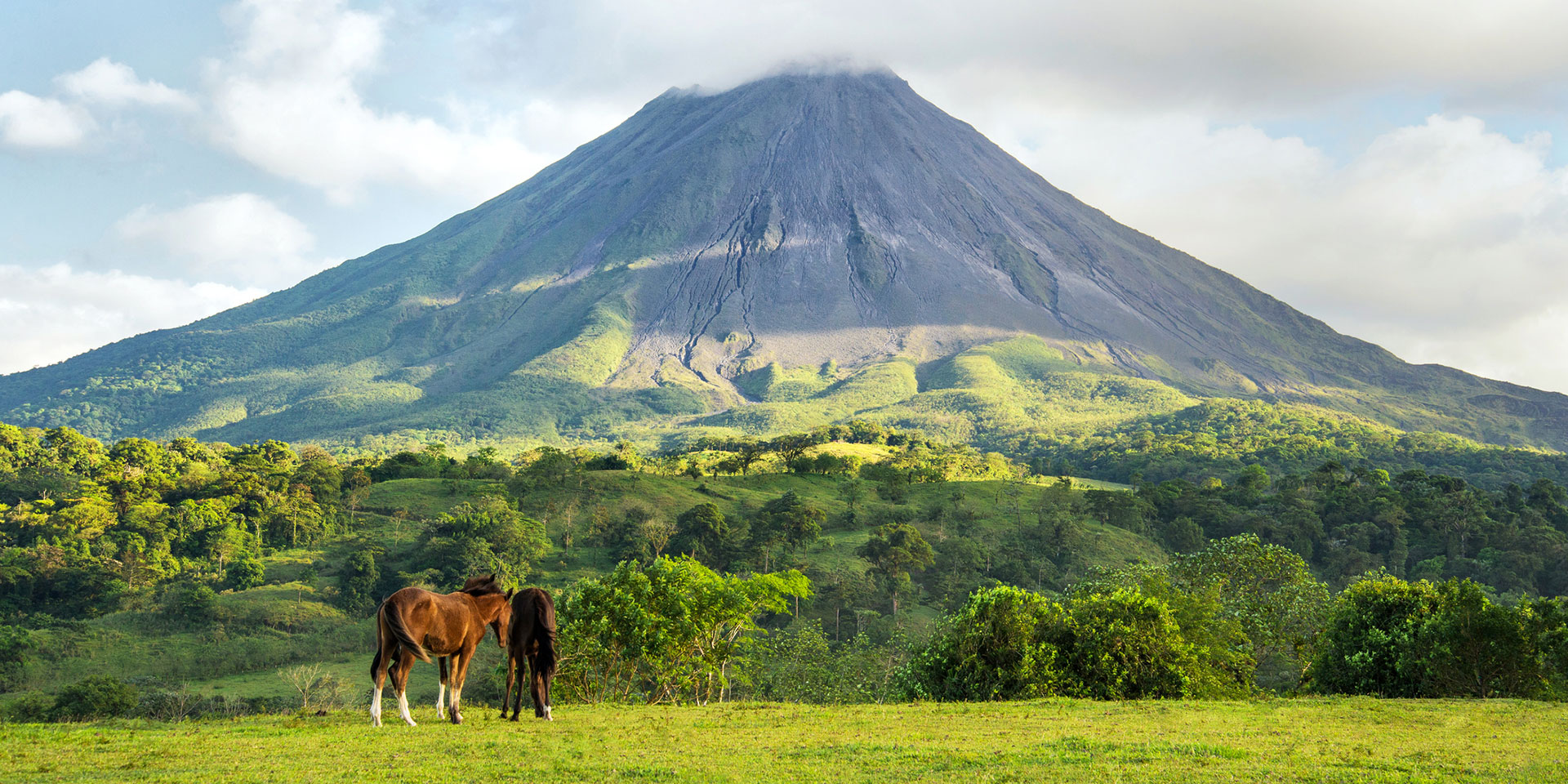
Arenal volcano, the epitome of what you probably imagine a volcano looks like, sits northwest of the capital in the Alajuela province. It is the youngest volcano in Costa Rica (a mere 7,000 years old). Following an active 40 year period that started in 1968 when an explosion buried three villages and killed close to 90 people, Arenal went dormant in 2010.
Although Arenal is currently sleeping and the picturesque scene of glowing lava streaming down the mountain at night is on hold, there is plenty of beautiful scenery in the surrounding Arenal National Park.
Irazú
Irazú is the highest active volcano in Costa Rica, and from the summit it’s possible to see both the Pacific and Caribbean coasts on a clear day. Irazú Volcano National Park is a popular tourist spot since it’s easily accessible from San José (a 1.5-hour trip) so get there early, before the crowds and while the air is clearer.
Bonus? You can drive right up to the viewing area rather than having to hike in. Don’t forget to bring a warm jacket since Irazú is above the frost and tree line, making it cold and windy.
Poás
Poás volcano is a main attraction in the Central Valley region. It is the most accessible volcano in Costa Rica and has the largest active crater in the world. In April 2017, Poás had several explosive eruptions that sent large rocks flying far enough to damage national park buildings and infrastructure. Poás National Park closed until it was safe enough for visitors to return.
Rincón de la Vieja
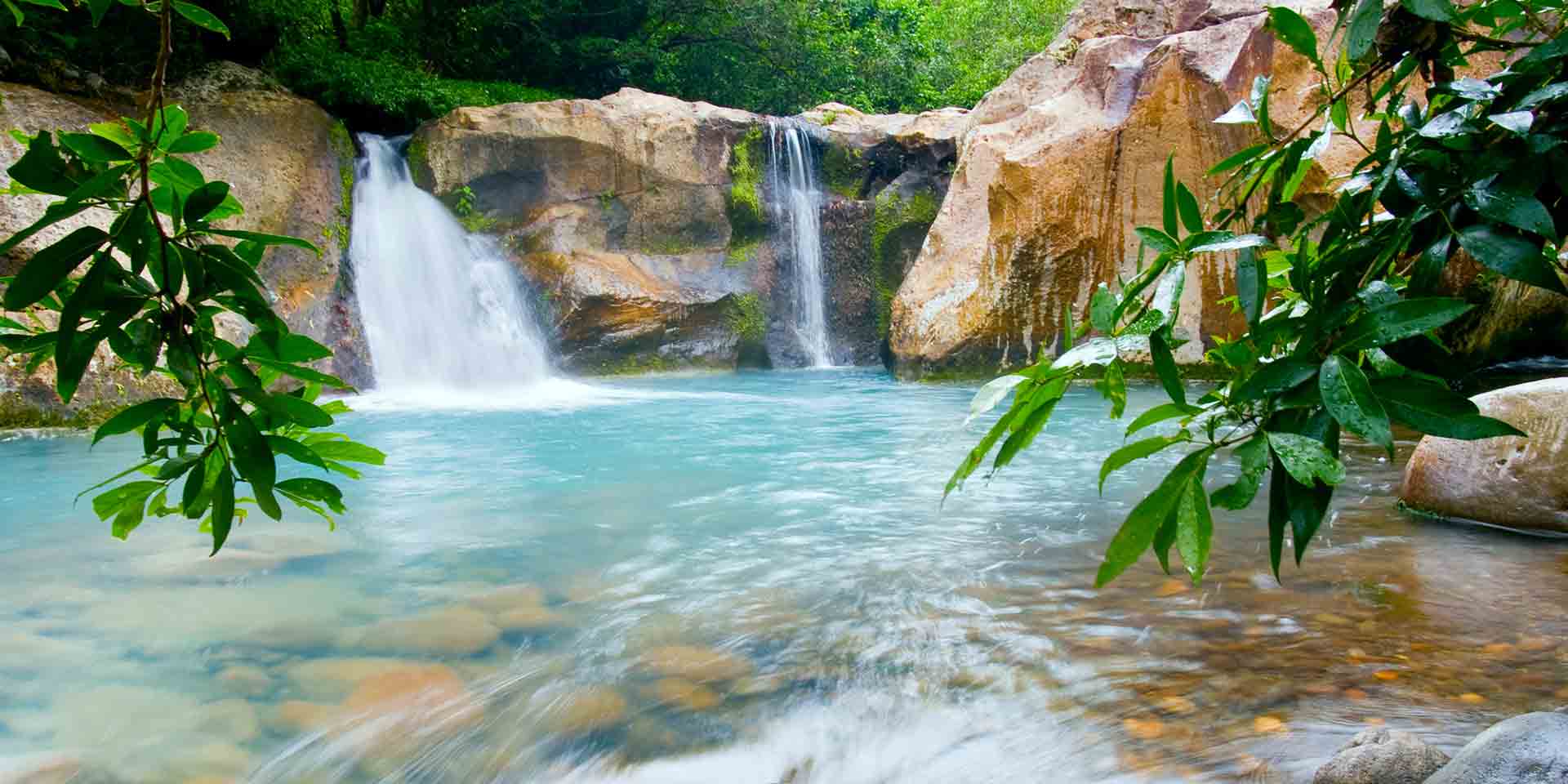
Rincón de la Vieja, in the Guanacaste province, is an active volcano whose name translates to “Old Woman’s Corner”, and cites various local legends as inspiration. Depending on if there has been recent volcanic activity, hikers may not be allowed to approach the summit, so always check for closures in advance. But if the summit trail is closed, not to worry — there’s plenty more to see in Rincón de la Vieja National Park.
Several fumaroles (steam vents), hot springs, and boiling mud pots are found on the slopes. You can also hike through the tropical rainforest at the park’s base. If you go, keep an eye out for sloths and your ears pricked for the distinctive sound of howler monkeys.
Turrialba
Turrialba volcano, in the Central Valley province of Cartago, is often open for visitors to hike into the crater, depending on seismic and volcanic activity. The catch: Turrialba National Park requires that you hire a guide to experience the spectacular panoramic views.
As of this writing, it is open to visitors, but always check for updates before planning your trip.
Tenorio
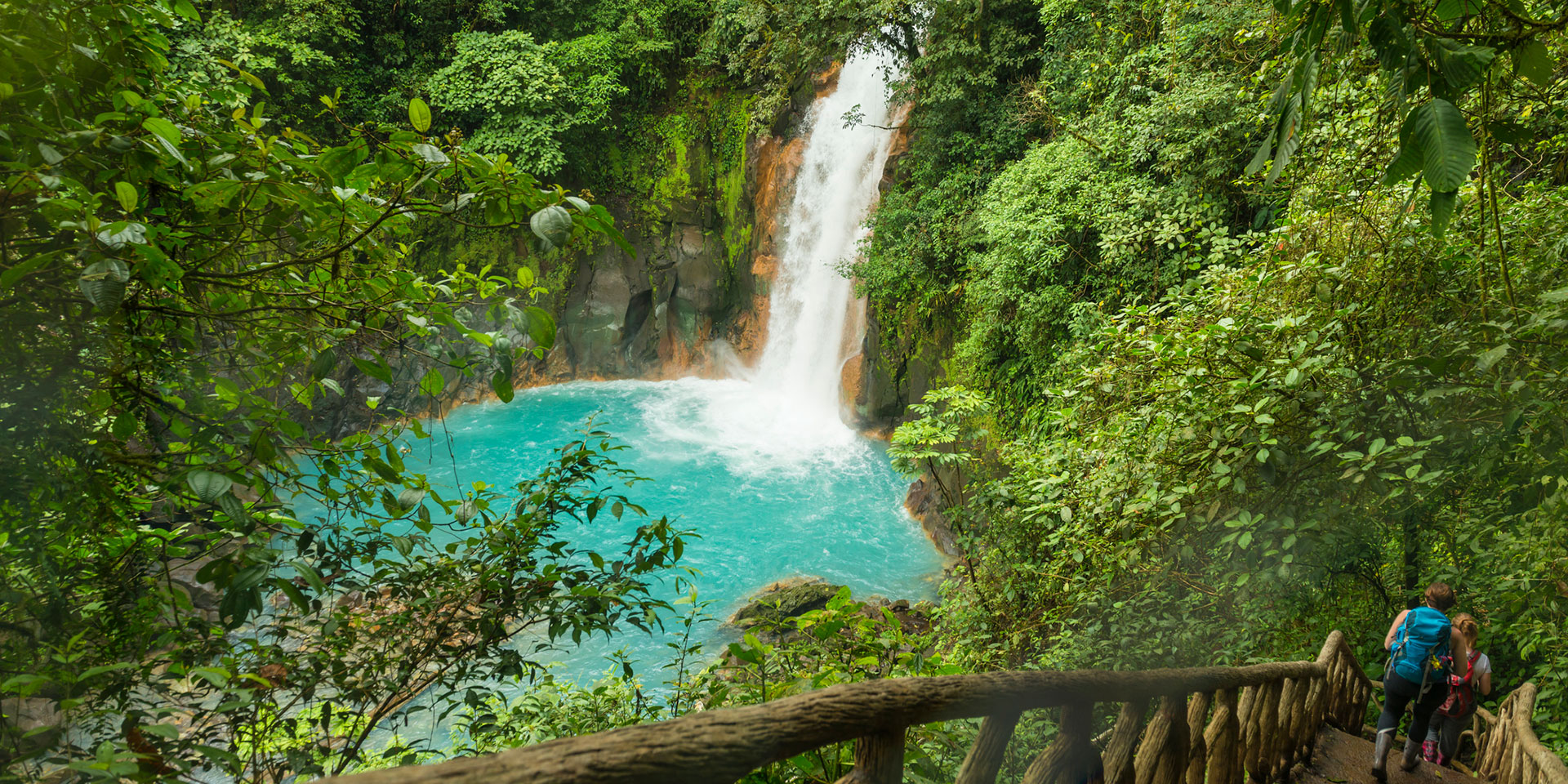
Tenorio volcano is in Costa Rica’s northern zone, surrounded by a tropical forest in the province of Alajuela. Aside from beautiful flora and fauna, world-class bird-watching, and swinging bridges that lead you through the rainforest, a highlight of Tenorio Volcano National Park is hiking to Río Celeste waterfall.
Volcanic mineral deposits create the rare shade of blue water of the Río Celeste, whose name means “sky-blue river” in English.
Related Articles