When people visit Lisbon for the first time, they are taken aback by the city’s diversity, a legacy of Portugal’s deep history of exploration (and exploitation) of Africa, Asia, and South America.
Portugal’s roots in Africa stretch back to the Middle Ages, when the Moors of Northern Africa ruled over the Iberian Peninsula. During Europe’s Age of Exploration from the 1400s through the 1800s, Portuguese ships sailed to Africa, South America, and the Caribbean in search of riches. Some of these places became colonial outposts.
The colonial empire that Portugal built is no longer there. But those ties to Africa remain evident in Lisbon. It’s in the buildings that once served as slave markets. It’s in the immigrants from Cape Verde, Angola, Guinea Bissau, São Tomé, and Mozambique who call Lisbon home. It’s in the diverse African restaurants and markets that serve locals and the immigrant community.
Although Portugal’s connection with Africa is so evident in the city’s population, its background has historically been kept quiet. It’s an open secret that in the 15th century, Portugal became the first country to exploit chattel slavery in Africa, where people were bought and sold and transported to Europe and the Americas.
Even so, Lisbon has also always had a significant free African population. In the 15th century, the elites of the Kingdom of Congo traveled to Portugal to study. It is estimated that Africans made up 10% of Lisbon’s population in the 16th century. In fact, a famous 16th-century painting of Lisbon, “Chafariz d’EL-Rey,” shows Africans as knights, dancers, and sailors.
Still, in December of 2017, the people of Lisbon voted for a monument in memory of the lives lost to the slave trade to be built on the banks of the River Tagus where slave ships once unloaded.
Learn more about African history in Lisbon by visiting these spots peppered around the city. As always, check for travel guidelines and closures before planning your trip.
General Marquês de Sá da Bandeira Statue
General Marquês de Sá da Bandeira helped abolish slavery in Portuguese territories in 1869. Now there’s a statue of him in Praça D. Luís. But unfortunately, given Portugal’s involvement in the slave trade, this is the only monument dedicated to the abolition of slavery and the slave trade. Below the general there is a figure of a Cape Verdean woman with a child who is giving thanks to the general for her freedom.
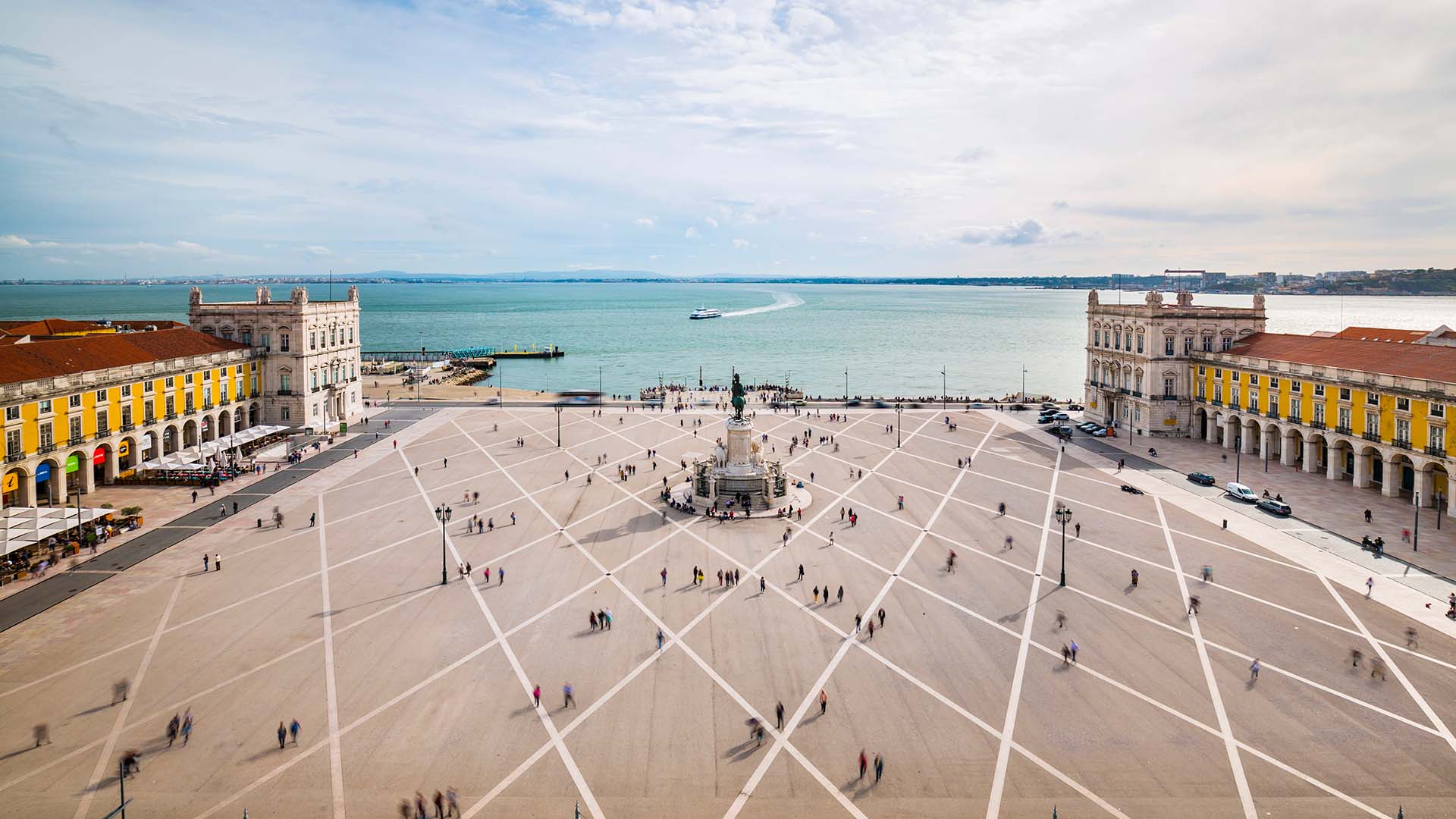
Praça do Comércio
Lisbon’s commercial plaza, Praça do Comércio, was where captured Africans were brought to be sold to the highest bidder in the 16th and 17th centuries. The Portuguese government had already created the “Casa dos Escravos,” (Slave House) in the 15th century to regularize the arrival, taxation, and selling of the captured Africans.
Santa Catarina Neighborhood
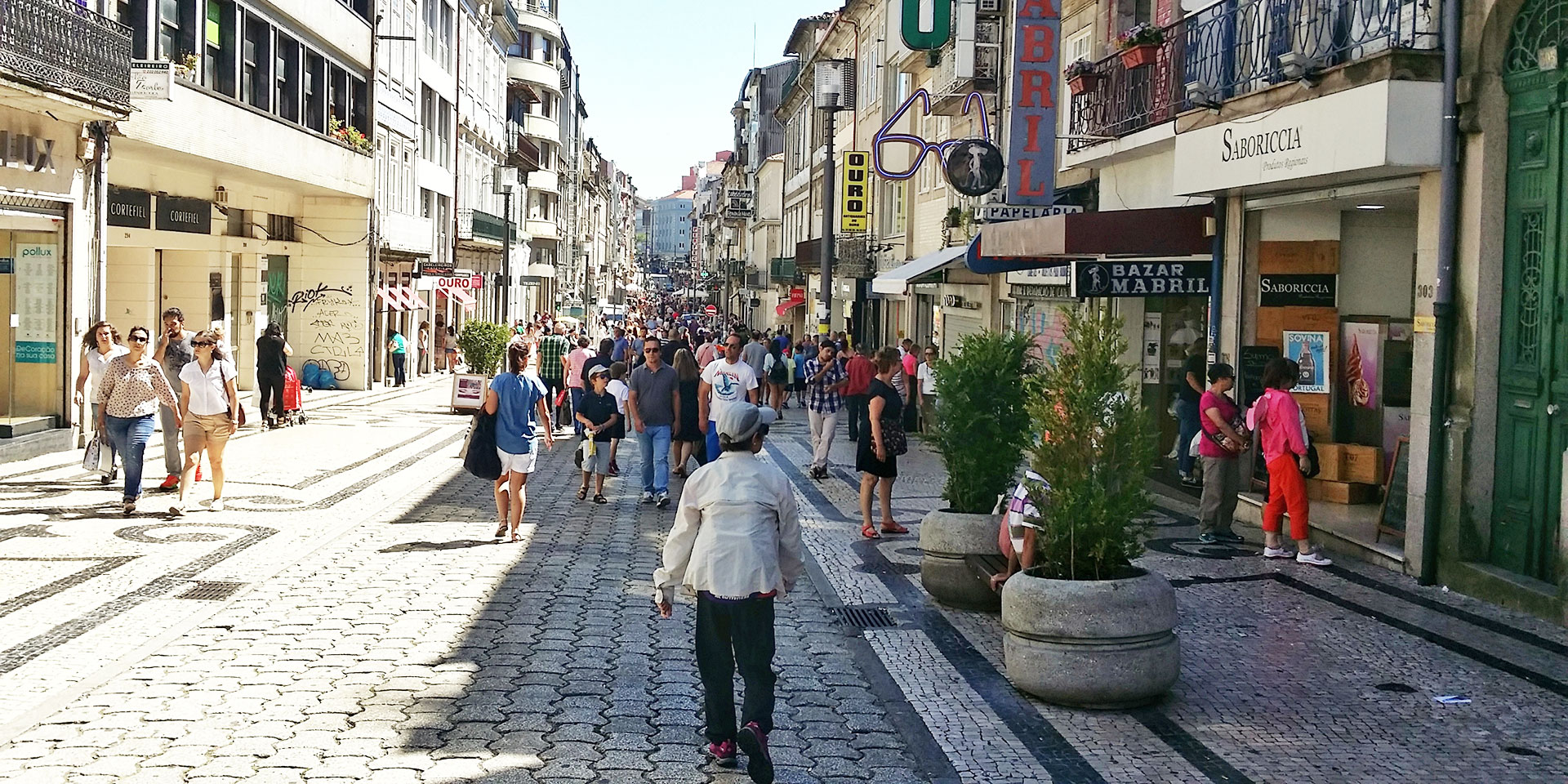
In the 16th century, this neighborhood was called Mocambo, meaning “hideout,” because free Africans settled there and created a community. Many of these people worked in the houses of rich Portuguese. Here, you’ll also find the site of a mass burial of deceased enslaved Africans that once existed on Rua do Poço dos Negros (Street of the Blacks’ Pit).
Igreja de São Domingos
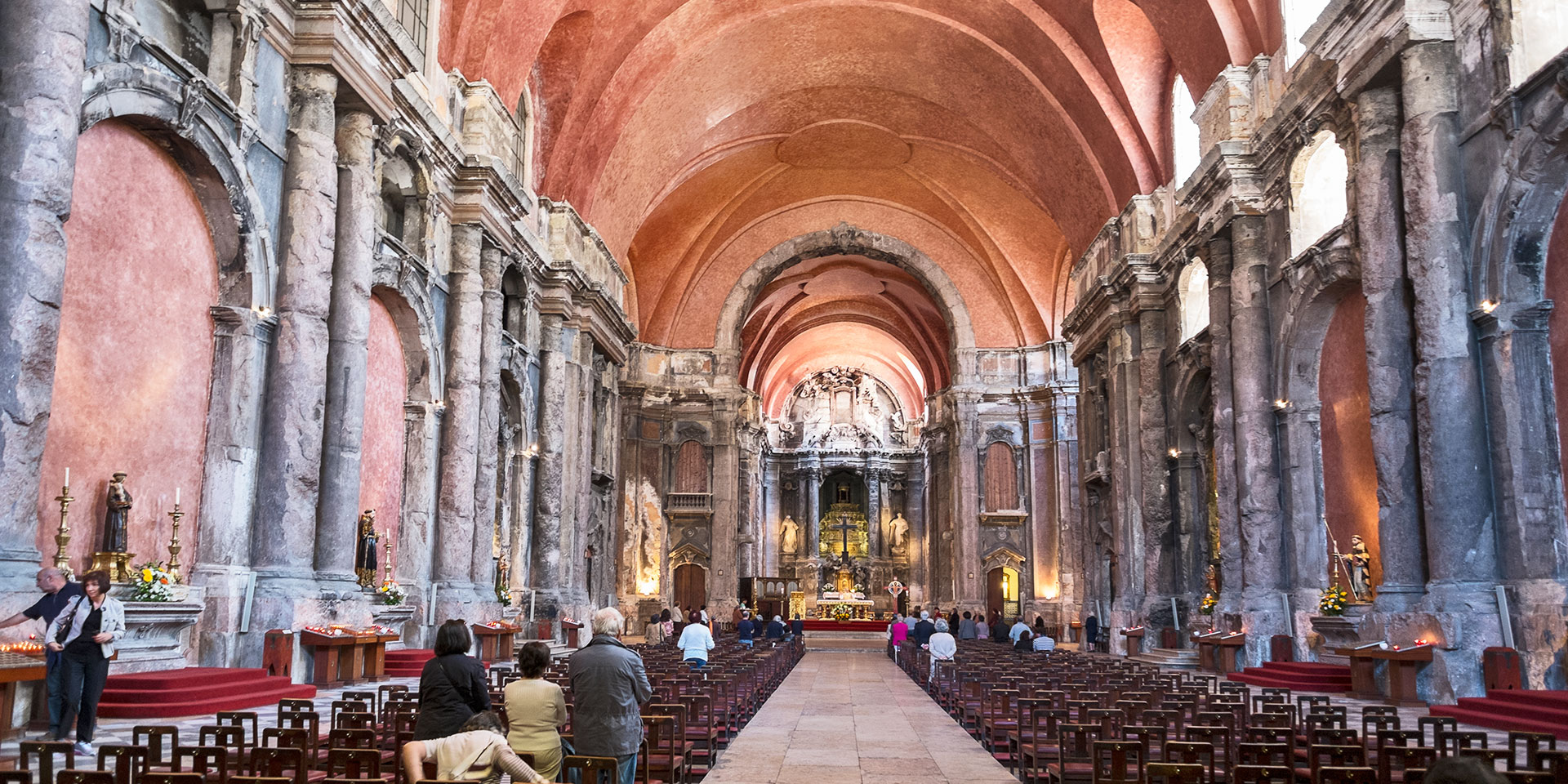
In the 15th century, Black people in Lisbon created their own Black catholic brotherhood at this church. The brotherhood lasted until the end of the 19th century.
Bistrô Crioulo
Cape Verde is an island off the coast of Senegal, and many of its natives have migrated to Portugal. Bistrô Crioulo is a popular Cape Verdean restaurant in Lisbon. Try the national dish of Cape Verde: cachupa, a stew made with hominy and beans.
Related Articles


