Niagara, in Southern Ontario, Canada, is one of the world’s best cold climate wine regions. All those chilly days and fluctuating temperatures over the course of the growing season help to create balanced, aromatic wines — like chardonnays and pinot noirs — that pair beautifully with local produce.
Niagara’s winemaking regions are divided into the Niagara Escarpment and Niagara-on-the-Lake, as well as 10 distinct sub-appellations. These grape growing grounds stretch from the picturesque town of Niagara-on-the-Lake in the east all the way to Grimsby in the west.
Niagara straddles the same latitude as France’s Burgundy region, so it’s no wonder that the varieties produced here impress visitors from around the world. Despite being classed as a cold weather region, Niagara can experience very hot summers; plus, it benefits from proximity to three of the Great Lakes (Ontario, Erie and Huron) and their cooling effects.
Sample, enjoy and bring home a few bottles of riesling, cabernet franc, and gamay noir as a delicious souvenir. As always, check for travel guidelines and closures before planning your trip.
Touring the Vineyards
One of the best ways to tour vineyards in the Niagara region is to attend a wine tour.
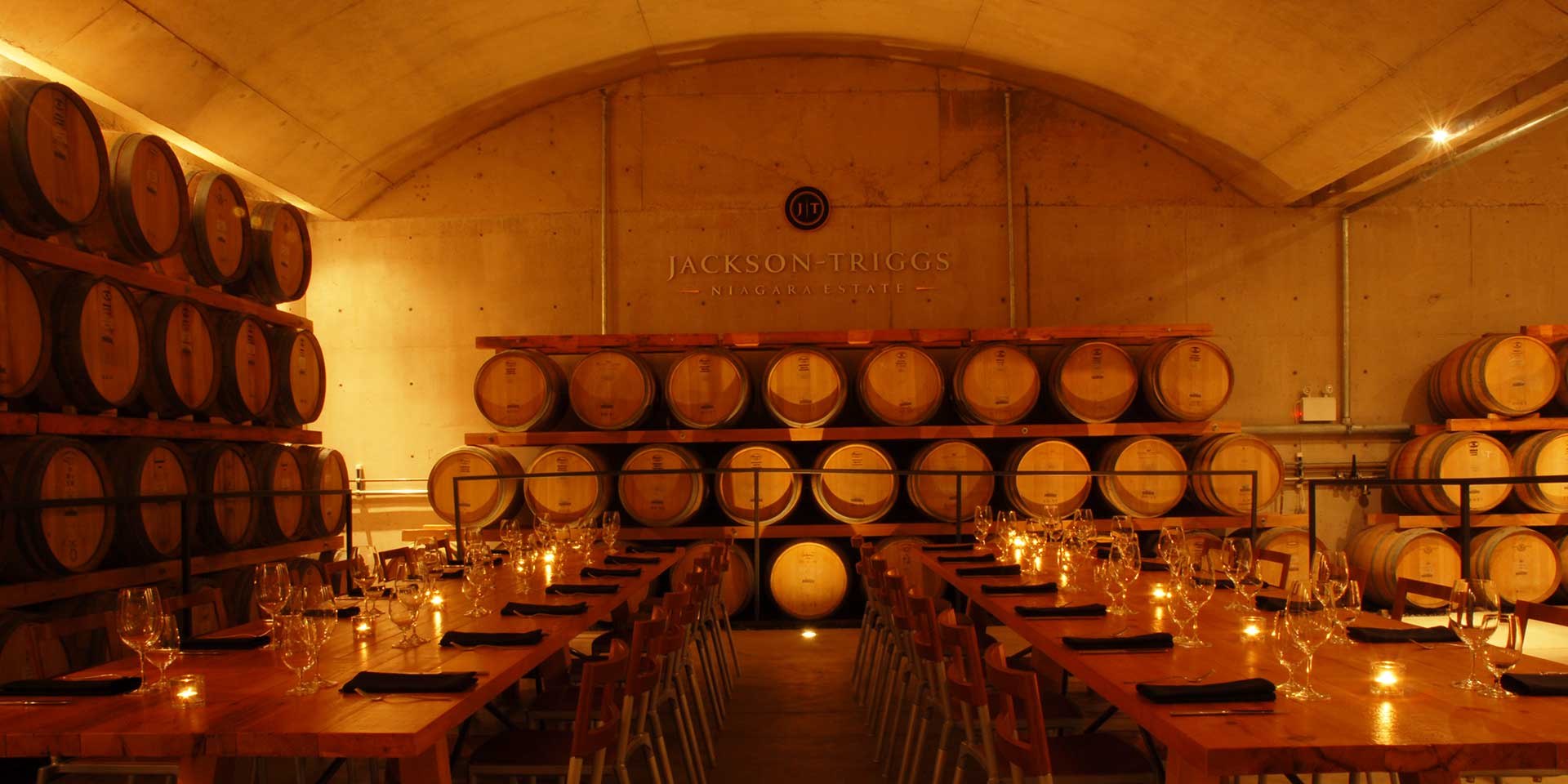
Small groups can book an intimate and atmospheric meal inside an underground wine cellar with Winery Tours of Niagara, which also offers expert wine tasting guidance during their tours around Niagara, on the lake and beyond.
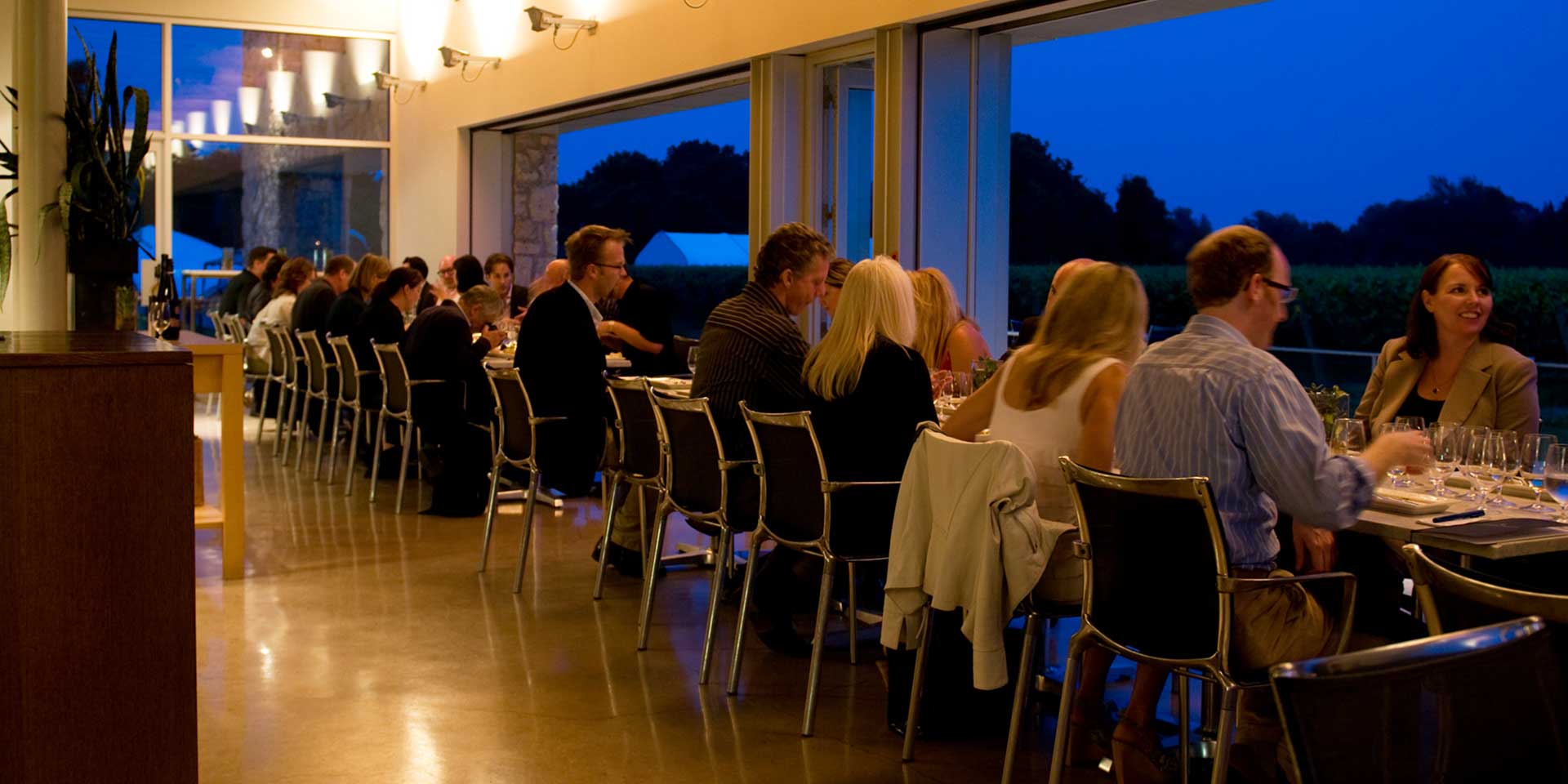
If you choose you can enjoy dinner with winemakers who’ll answer all of your questions about their wines, or in fine weather, book a romantic vineyard picnic. You’ll also have the chance to try some of the rarest ice wines in the world.
For something a little bit different, climb aboard the Twenty Valley Magic Winery Bus, a retro British double-decker bus that offers a hop-on-hop-off winery experience. The bus runs on a continuous loop, allowing visitors about an hour at each of the winery stops.
Taste the Seasons
Visitors will find special events related to the end of summer harvest, the Christmas season, and the cold winter months when ice wine is typically enjoyed, as well as a variety of spring and summer wine festivals.
In November, it’s possible to purchase a Taste the Season pass, which is valid for the whole month. With this pass you can tour a winery and enjoy wine and food pairings to taste the best of the season’s bounty.
The Icewine Village runs in January and includes a grand reception, special dinner, and cocktail competition.
Ice Wine: Niagara’s Jewel
Although the Niagara region wines are becoming well known and respected, the area is most commonly associated with ice wine and is considered one of the best ice wine producing regions in the world.
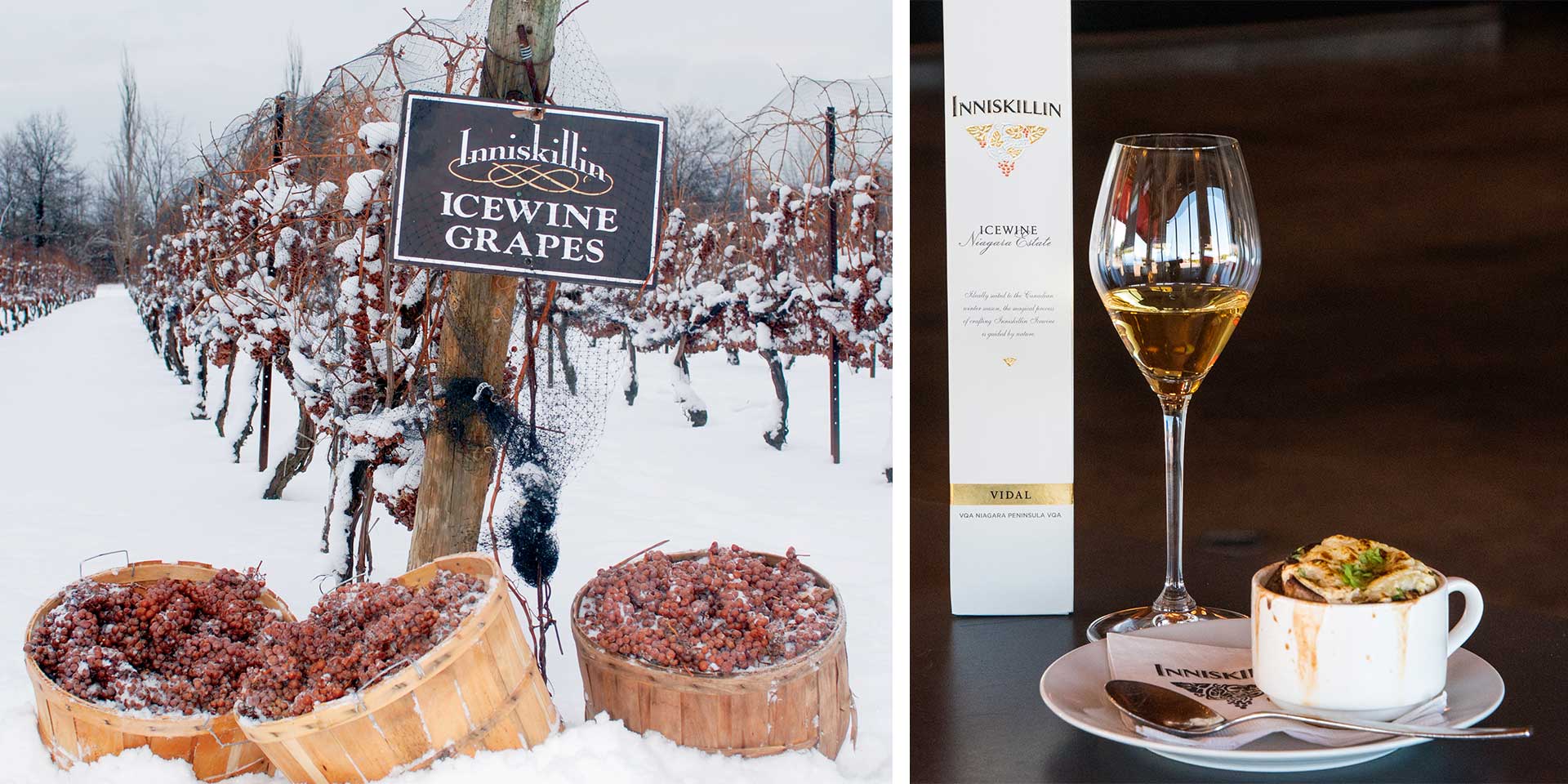
Often called dessert wine, ice wine is produced from grapes that have been allowed to freeze on the vine. To comply with strict standards for its production, the entire harvest procedure must be conducted in a continuous cycle at temperatures of -8 degrees Celsius or lower.
In the Niagara region that means harvest usually takes place from mid-December to mid-January and often at night to guarantee cold temperatures. January marks the start of the Icewine Festival. At the same time, you can visit Niagara-on-the-Lake’s Icewine Village, open in January, where you can sample the best of the region’s ice wine.
Ice wine is, however, available to buy all year round, so take an organized tour, like the Inniskillin Ice Wine Experience tours, to experience some of the region’s best pours.
The Niagara Grape & Wine Festival
Every September, Niagara plays host to Canada’s largest wine festival. The Niagara Grape & Wine Festival held in St. Catharines allows visitors to taste upwards of 100 different wines.
Purchase a discovery pass and you’ll be entitled to attend special wine and food events during the festival. Be sure to catch the Grande Parade, where musicians, dancers, and floats make their way through downtown St. Catharines to the delight of visitors and locals.
Related Articles


