With varied landscapes, well-marked trails, and some of the most stunning scenery on the planet, Europe, the Middle East, and Africa are home to some of the best hikes in the world.
Regardless of experience level, your ideal hike awaits. Whether you’re looking for a multiday trek through challenging terrain or a leisurely walk you can complete in a couple of hours, these destinations will steal your heart — and get it pumping along the trek.
Read on to discover hiking holidays with sweeping coastal views, ethereal desert vistas and breathtaking mountain peaks.
As always, check for travel guidelines and closures before planning your trip.
Lion’s Head Walk, Cape Town
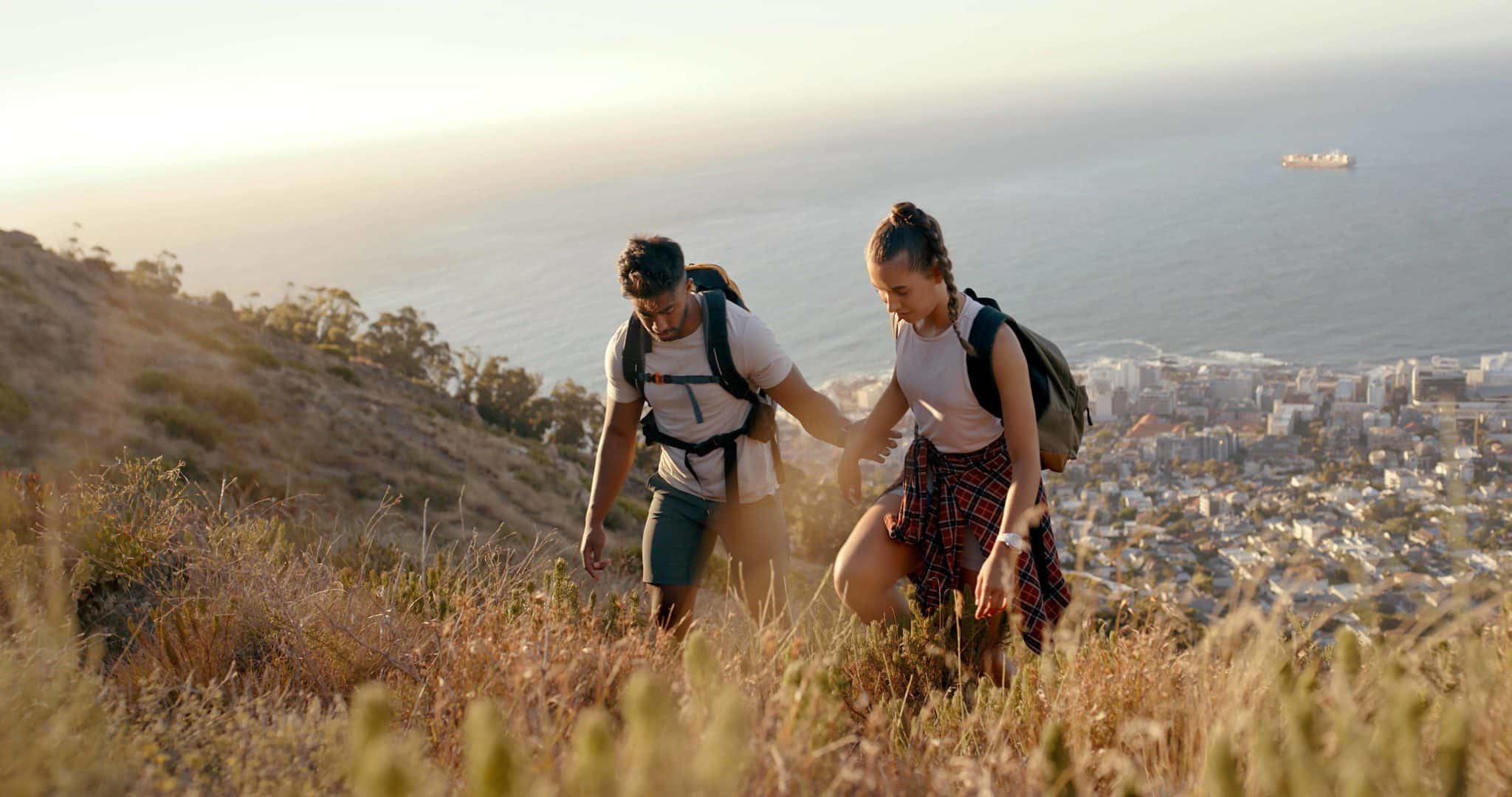
With sweeping views of Camps Bay on one side and Cape Town on the other, the panoramic views of a cityscape flanked by Table Mountain are uniquely breathtaking. But it’s the fynbos (a rare type of shrubland) covering its surface that makes Cape Town part of the Cape Floral Region, a UNESCO World Heritage Site.
The best way to see the views and foliage is on the Lion’s Head Hike. This moderate hike of just over 3 miles in Table Mountain National Park spirals up from Signal Hill Drive to the Lion’s Head summit, from which you can spot the flat top of the adjacent Table Mountain. Go in spring — September through October — and prepare for rain and shine, as the weather here can change quickly.
Wadi Rum, Jordan
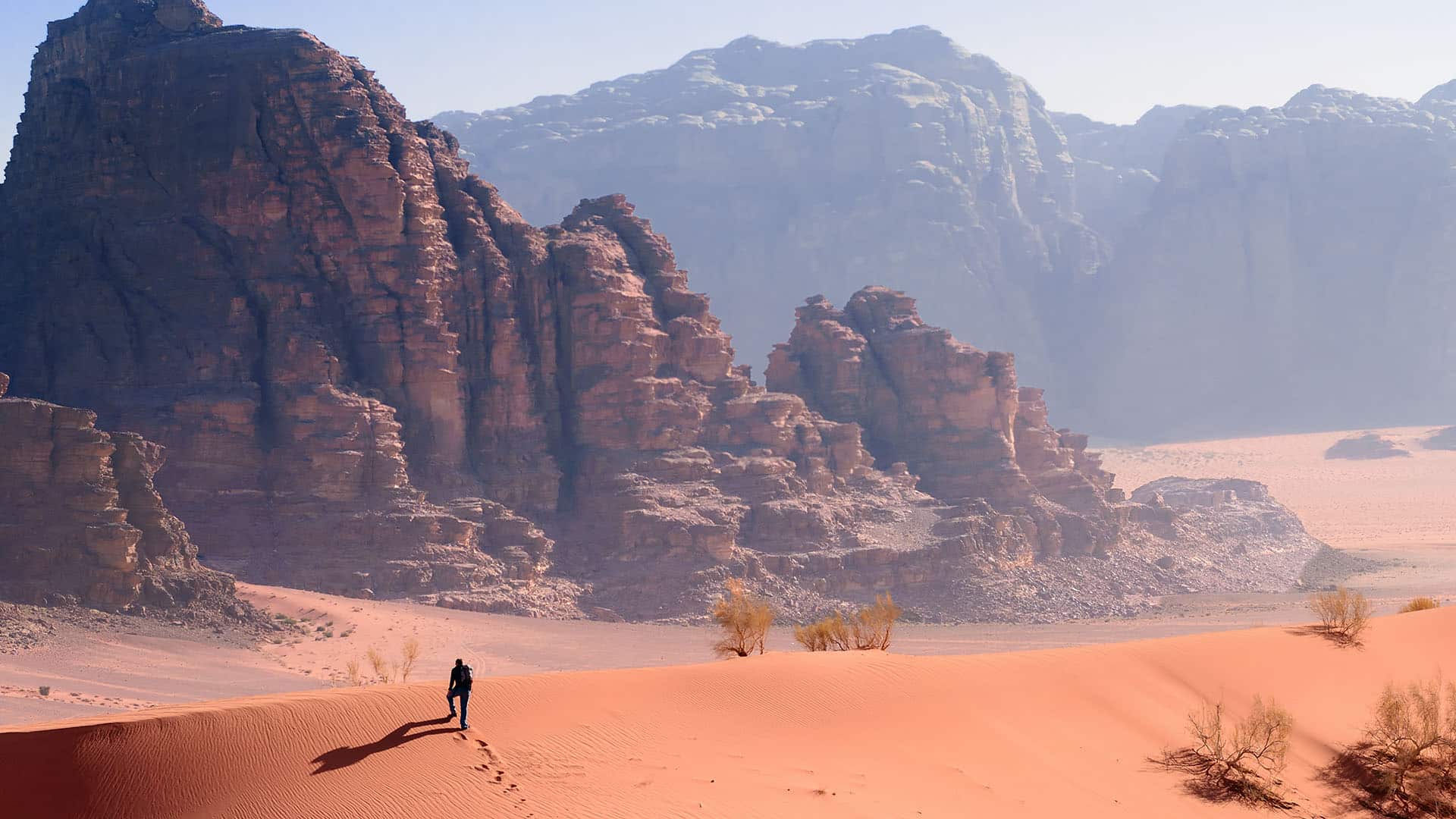
Wadi Rum in Jordan is filled with sandstone and granite formations that rise dramatically out of a vast desert landscape. Serving as the otherworldly backdrop for movies like Star Wars, Dune, and The Martian, part of its ethereal beauty comes from its human history. For millennia, the Bedouin people and pilgrims passed through the protected canyons, leaving behind petroglyphs as a record of this history.
Though a common way to explore Wadi Rum is by jeep, it also offers beautiful hikes. Burdah Arch and Jabal Umm ad Dami hikes, both doable in a day, offer spectacular views after a challenging scramble. The area’s remoteness and the spectacular landscape mean the Arch requires a guided local tour, and Jabal Umm ad Dami is best tackled with a guide – ideally during fall (September to November) or spring (March to May).
Kilimanjaro, Tanzania
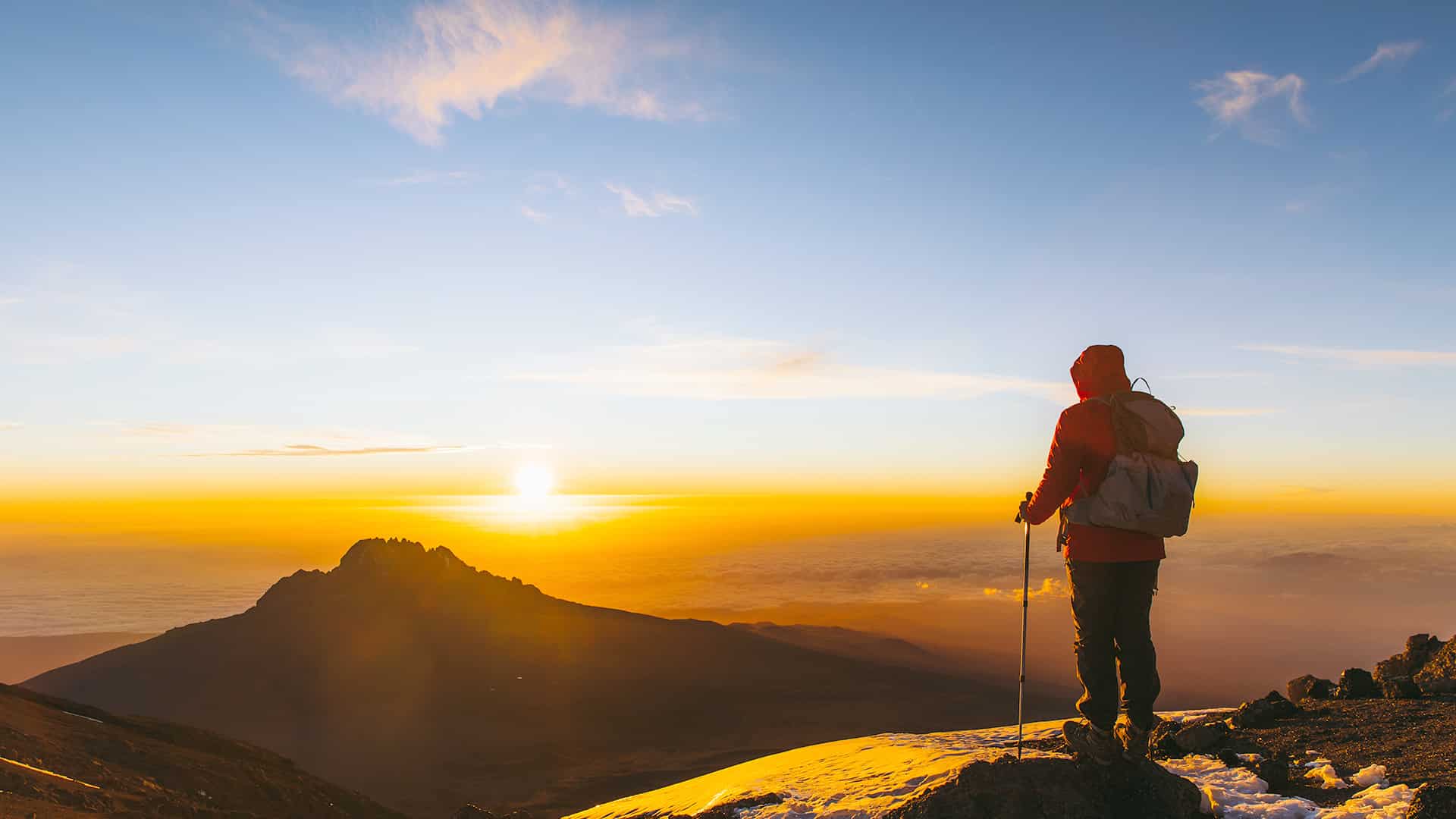
Towering 19,340 feet (5,895 meters) above sea level, Kilimanjaro is the highest mountain in Africa. It requires no technical climbing skills, so hikers ready for a journey can attempt its summit, and the altitude and distance present the biggest challenges.
Once in Tanzania, you’ll need a licensed guide to take you on one of the several routes up the mountain; budget five to nine days for a round trip. The remote, and more expensive, Lemosho route will give you the best chance to see stunning vistas and wildlife and let your body acclimatize to the altitude with a gradual incline. Lightweight gear for mixed weather and temperature conditions is essential.
Cinque Terre, Italy
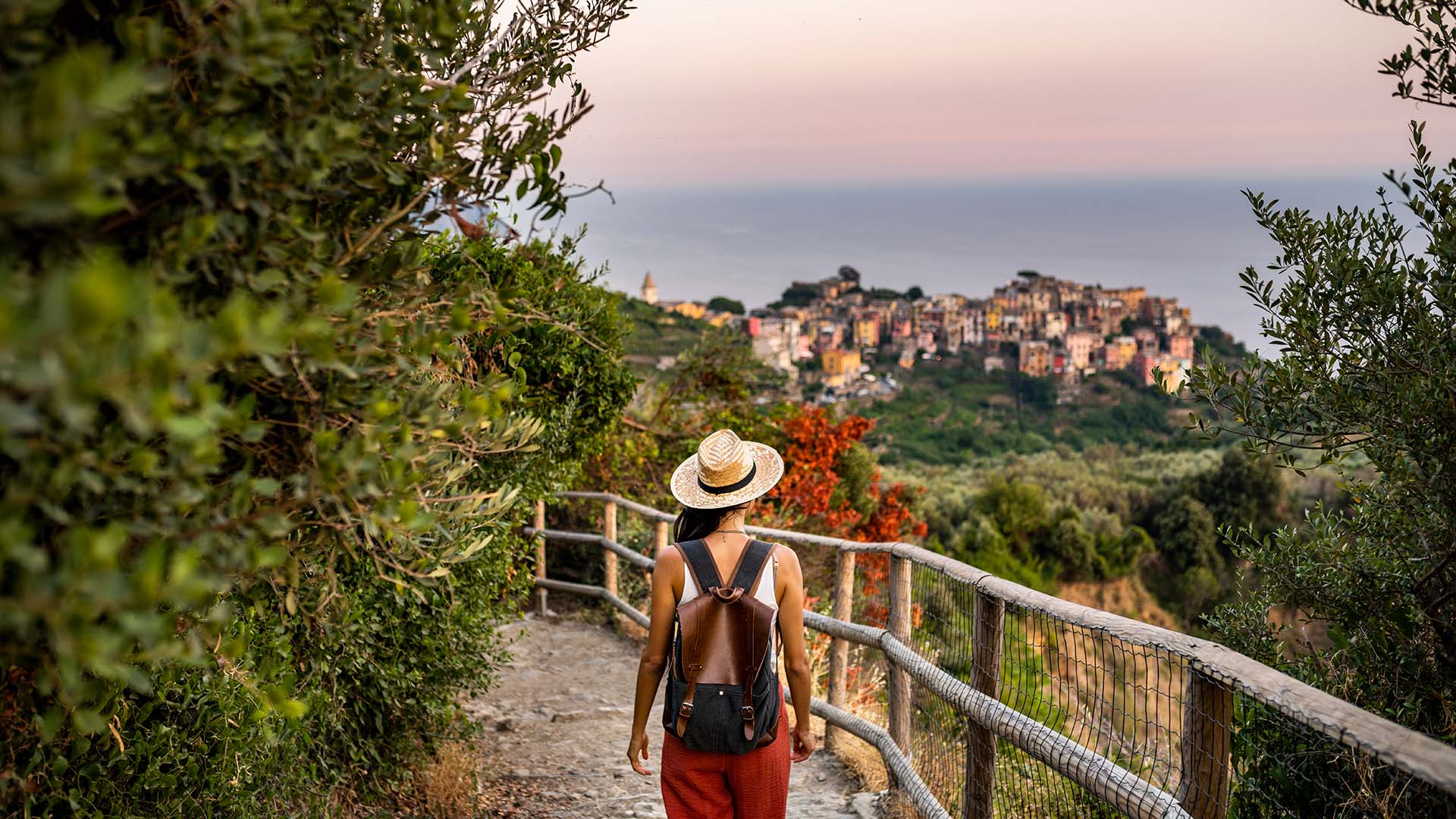
The five picturesque villages of the Cinque Terre region dot the Italian Riviera and are among the most photographed sights in Italy — for good reason. Each is characterized by colorful buildings stacked against the rugged cliffs by the Ligurian Sea’s blue-green waters.
It takes an hour or two to walk from one village to the next via the well-maintained coastal trail. A permit, available from local train stations, is required for the most popular stretch between Monterosso and Corniglia in the summer season, but is free in winter (November to March).
Santiago de Compostela, Spain
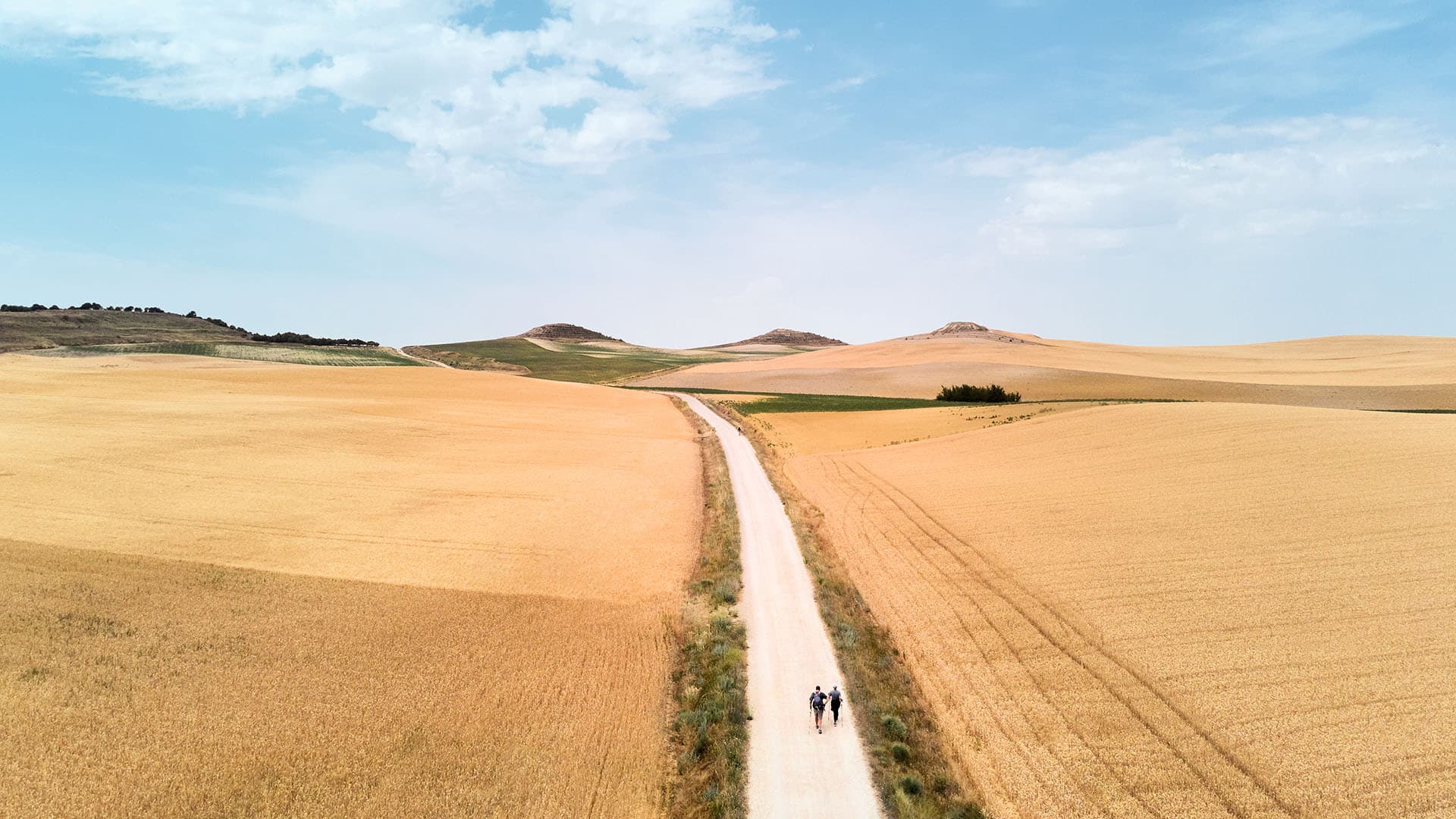
The network of paths leading to Santiago de Compostela in northwestern Spain is well-trodden, with pilgrims traversing the trails for centuries. But even for experienced hikers, the full length of the most popular route, Camino Francés (the French Way), is a test of endurance that will take more than a month.
The shorter trek from Sarria is a popular alternative. At 116 kilometers (72 miles), it takes you over the minimum 100 kilometers required to receive a certificate for completing the Camino, but it is short enough to be completed in five days. Pack light and make sure your walking shoes are comfortable.
Cirque de Gavarnie, France
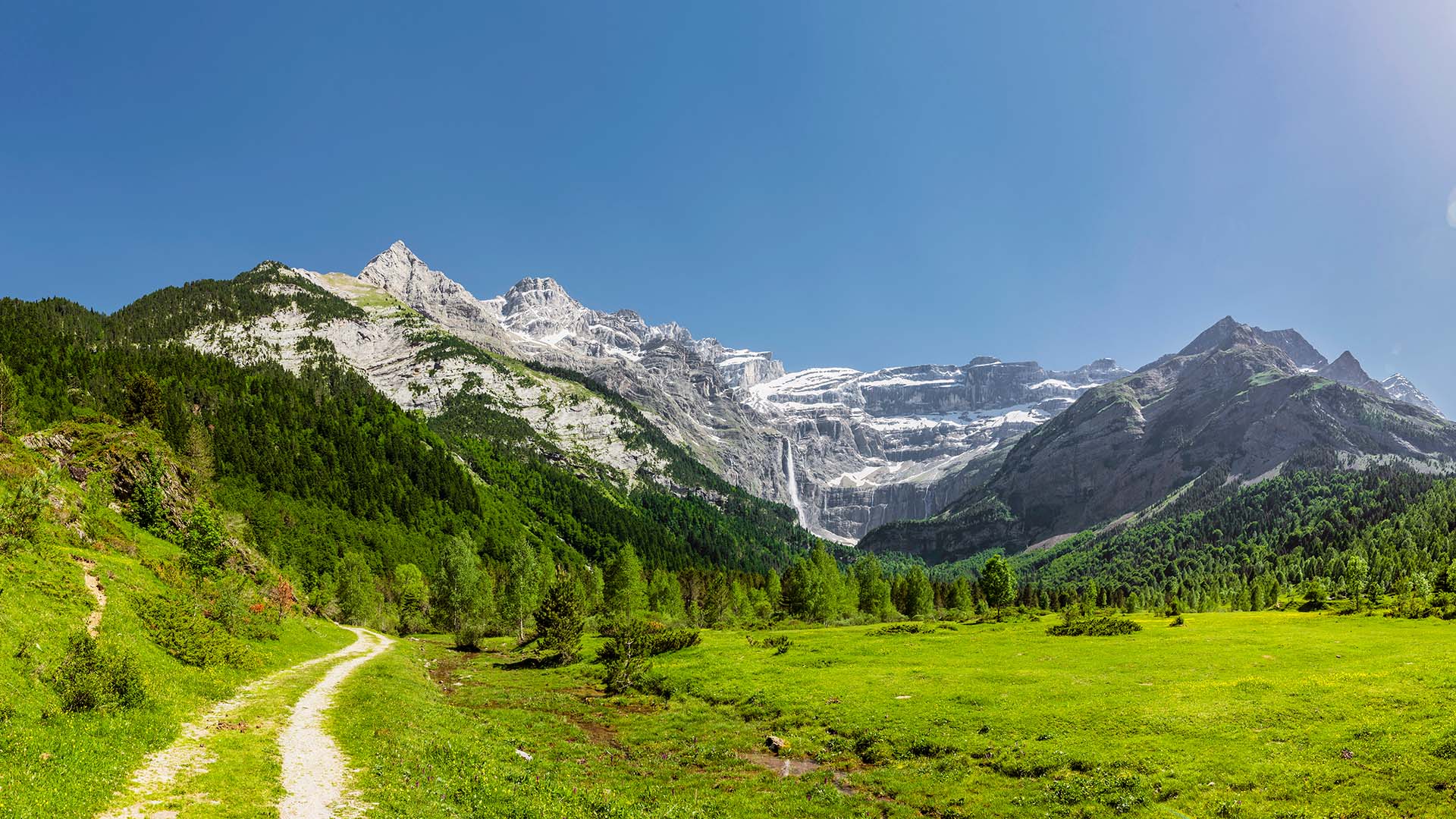
Straddling the border between France and Spain, the Pyrenees run from the Atlantic Ocean to the Mediterranean Sea. Hikes here will surround you in nature, with dramatic peaks, majestic waterfalls, and serene lakes punctuating your journey.
One of the most popular routes is the Cirque de Gavarnie, which runs from the village of Gavarnie into an amphitheater-shaped valley and back. It takes just a couple of hours to complete, and with a river along the route, it’s almost impossible to get lost. The route also features one of Europe’s highest waterfalls – Gavarnie Falls – which plunges over 420 feet. It’s extremely busy in the summer months, and the village center is closed to day-visitor vehicle traffic between the middle of June and the end of September.
Related Articles


